Introduction
Artificial Intelligence (AI) has moved beyond being a competitive advantage—it is now a core requirement for digital marketing success. In 2026, AI is fundamentally reshaping how brands attract, engage, convert, and retain customers. From predictive analytics and hyper-personalization to automated content creation and AI-powered advertising, marketers are leveraging AI to deliver smarter, faster, and more data-driven campaigns.
This article explores how AI is transforming digital marketing in 2026, the most impactful use cases, and how businesses can stay ahead in an increasingly AI-driven landscape.
Key SEO Focus Keywords
- AI in digital marketing
- AI marketing trends 2026
- Artificial intelligence marketing
- AI-powered marketing tools
- AI automation in marketing
- Future of digital marketing with AI
1. AI-Driven Marketing Strategy and Decision-Making
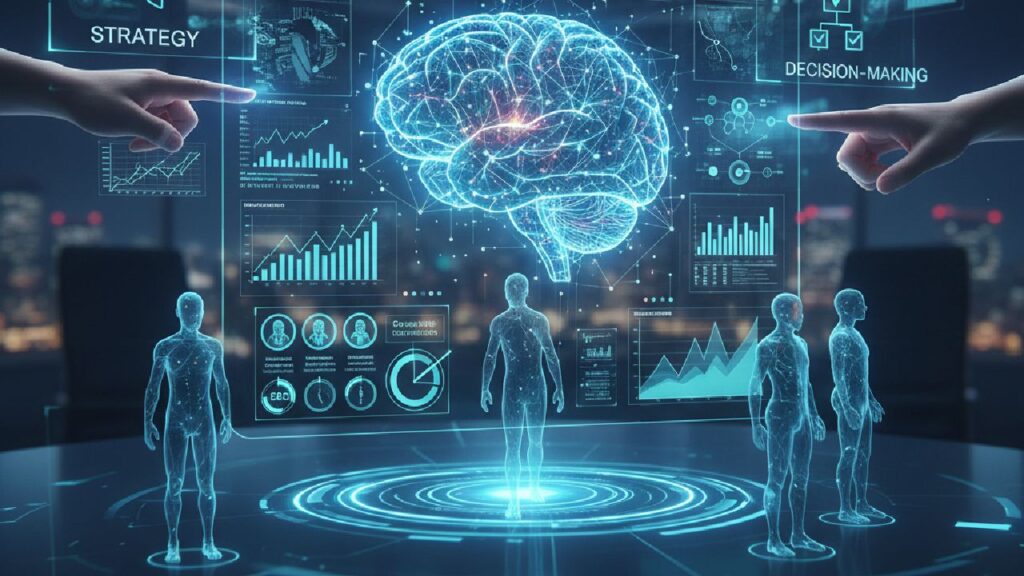
In 2026, AI plays a critical role in marketing strategy formulation. Advanced machine learning models analyze massive datasets in real time, identifying patterns that human analysts cannot detect efficiently.
How AI Improves Strategic Decisions
- Predicts customer behavior and purchase intent
- Identifies high-performing channels and touchpoints
- Optimizes marketing budgets automatically
- Forecasts campaign performance before launch
AI enables marketers to move from reactive strategies to predictive and proactive marketing, significantly improving ROI.
2. Hyper-Personalization at Scale
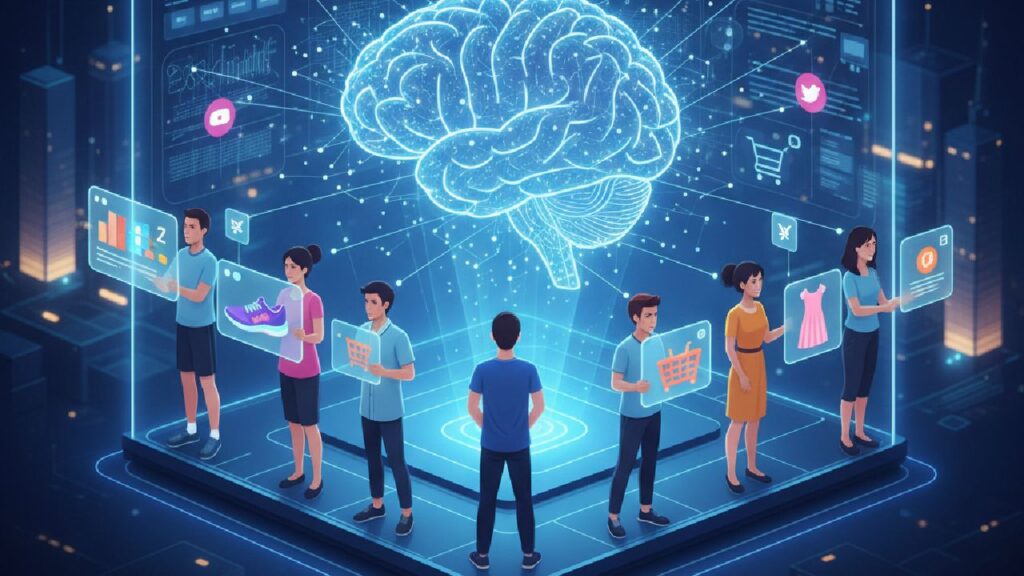
One of the most transformative impacts of AI in digital marketing is personalization at scale. AI systems now deliver individualized experiences to millions of users simultaneously.
AI-Powered Personalization Examples
- Dynamic website content based on user intent
- Personalized email marketing with AI-optimized subject lines
- Product recommendations driven by behavioral data
- Customized ad creatives for different audience segments
In 2026, consumers expect personalized experiences. AI ensures brands meet these expectations while maintaining efficiency.
3. AI in Content Creation and SEO Optimization
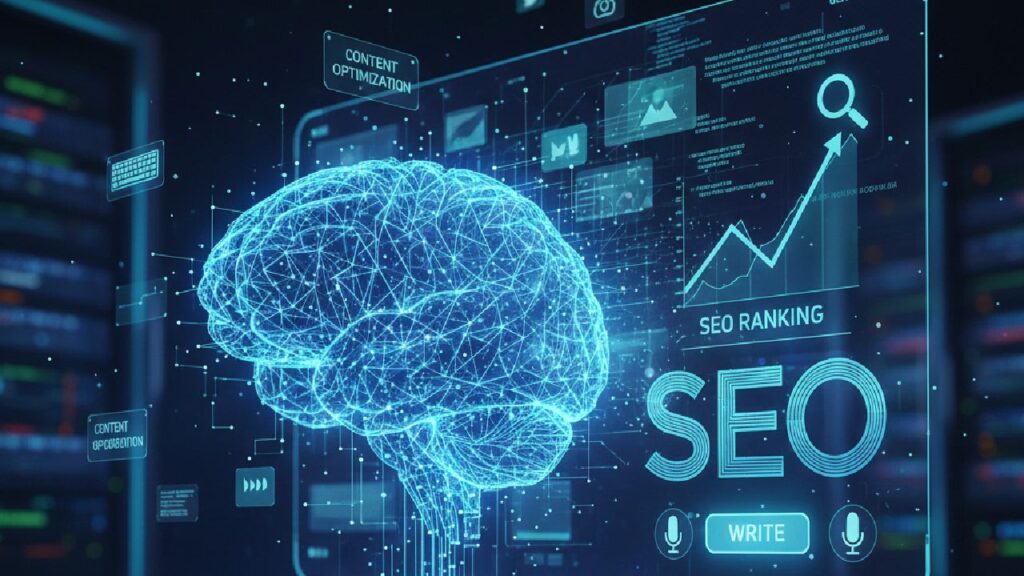
AI has become an essential tool for content marketers. Rather than replacing human creativity, AI enhances content production and optimization.
AI Applications in Content Marketing
- SEO-optimized blog writing and topic clustering
- Search intent analysis and keyword mapping
- Content gap analysis and competitive benchmarking
- Automated content updates for freshness and accuracy
Search engines now prioritize helpful, authoritative, and user-focused content, and AI helps marketers align with evolving SEO best practices.
4. Predictive Analytics and Customer Journey Optimization
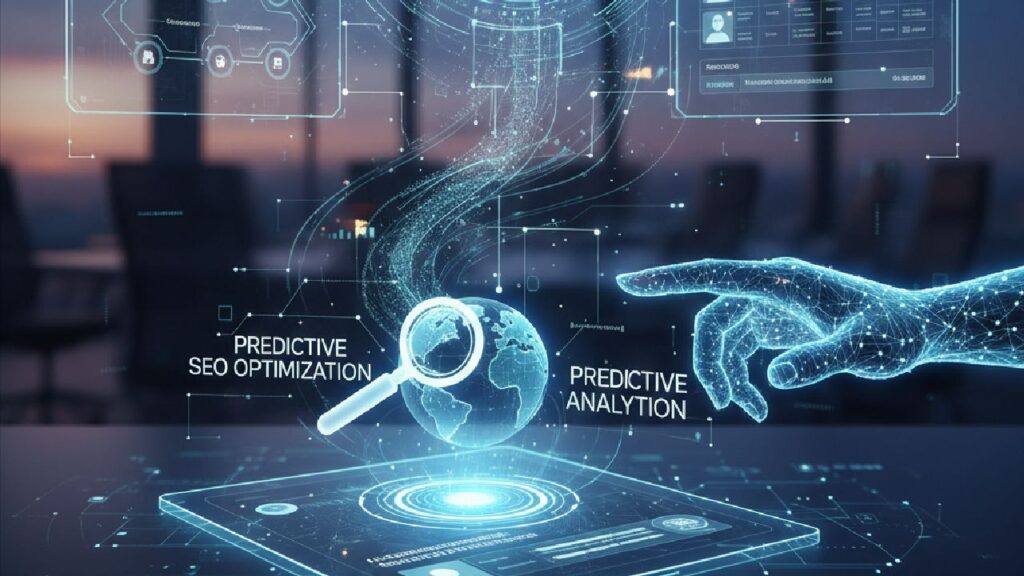
AI-powered predictive analytics allows marketers to understand what customers are likely to do next.
Benefits of Predictive AI in Marketing
- Anticipates churn and customer drop-off
- Identifies high-value leads early in the funnel
- Optimizes customer journeys in real time
- Improves retention and lifetime value
In 2026, predictive analytics is essential for brands aiming to deliver seamless, data-driven customer experiences.
5. AI-Powered Advertising and Media Buying
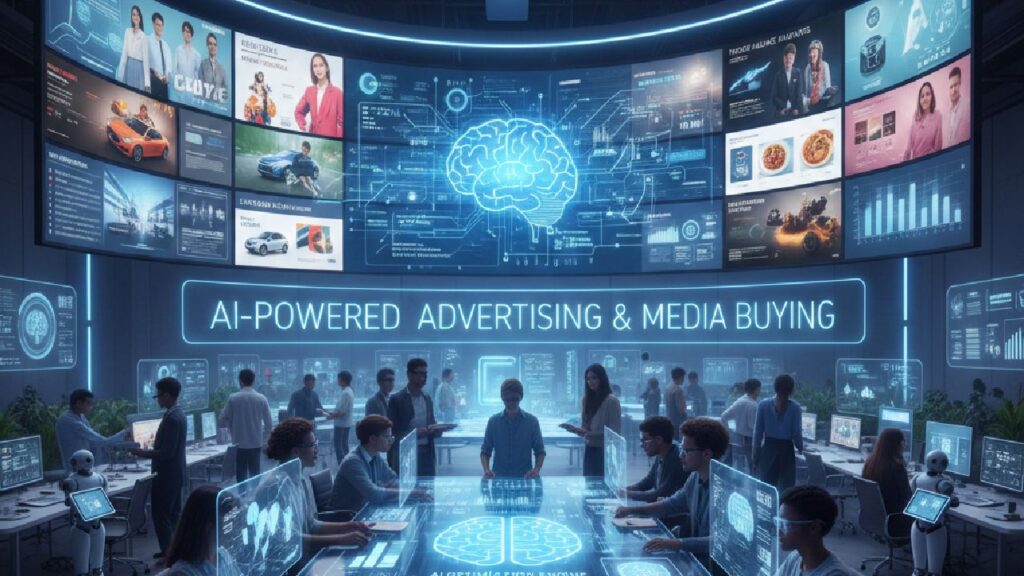
AI has transformed paid media management across Google, Meta, LinkedIn, TikTok, and programmatic platforms.
How AI Improves Paid Advertising
- Automated bidding and budget allocation
- Real-time audience targeting optimization
- Creative performance testing at scale
- Cross-platform attribution modeling
AI-driven advertising reduces wasted ad spend while maximizing conversions, making performance marketing more efficient than ever.
6. Conversational AI and Intelligent Chatbots
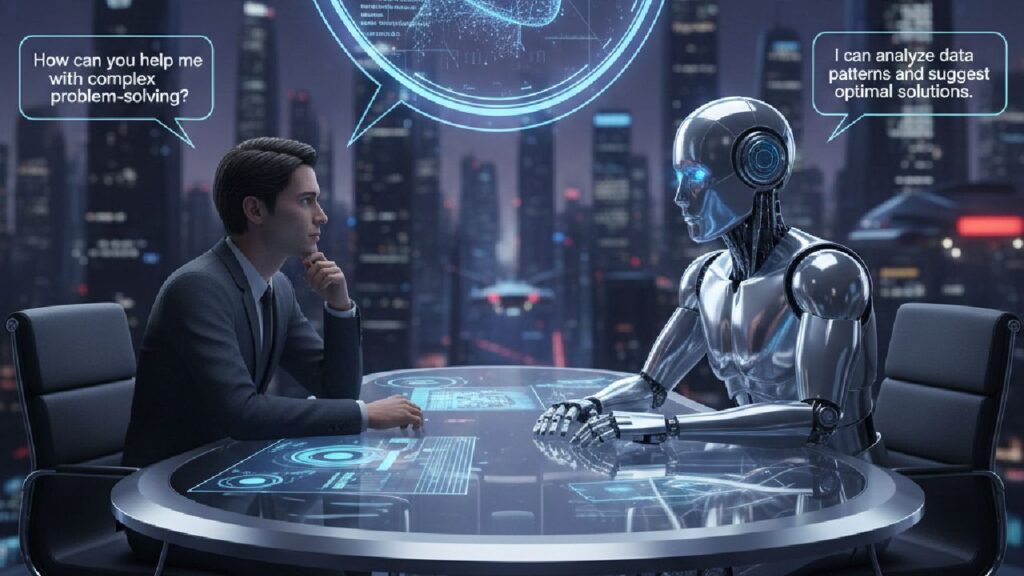
Conversational AI has evolved far beyond basic chatbots. In 2026, AI chatbots function as 24/7 digital sales and support agents.
Key Benefits of AI Chatbots
- Instant customer support and lead qualification
- Personalized product recommendations
- Seamless handoff between chatbot and human agents
- Multilingual customer engagement
AI chatbots significantly improve engagement, conversion rates, and customer satisfaction.
7. Marketing Automation and Workflow Efficiency
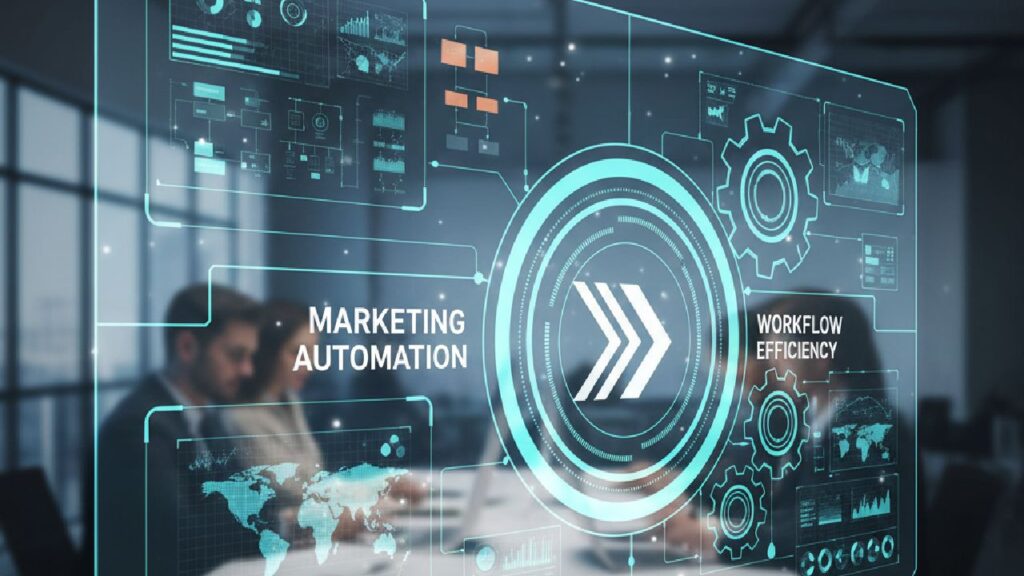
AI marketing automation has reached a new level of sophistication. Entire marketing workflows can now be automated while remaining context-aware and performance-driven.
AI Automation Use Cases
- Automated email and SMS marketing flows
- AI-driven CRM segmentation and lead scoring
- Campaign performance optimization
- Content distribution scheduling
This allows marketing teams to focus on strategy, creativity, and growth rather than repetitive manual tasks.
8. Ethical AI, Data Privacy, and Compliance
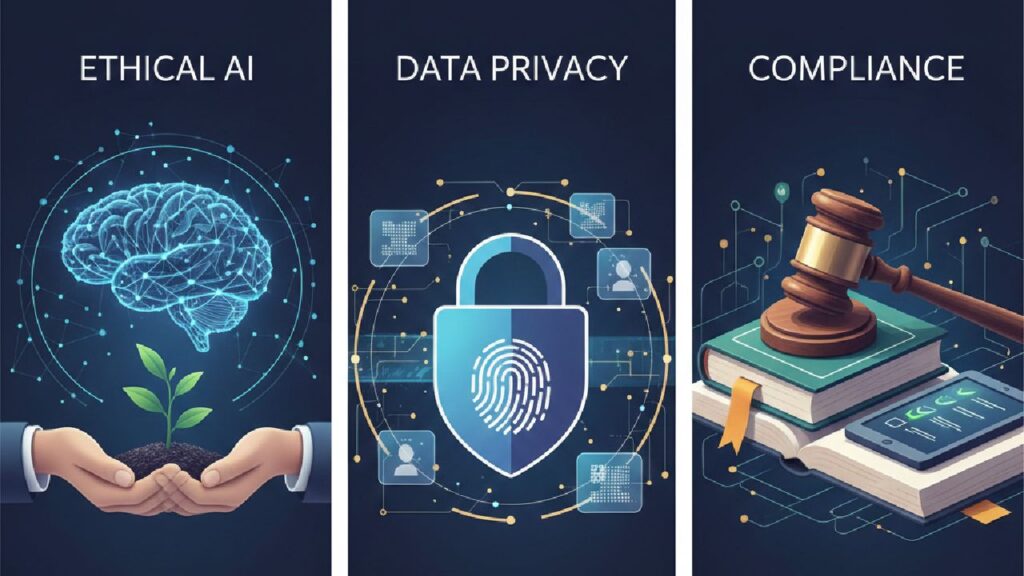
As AI adoption grows, data privacy and ethical marketing practices are more important than ever. In 2026, AI systems are designed to comply with global regulations such as GDPR, CCPA, and emerging AI governance frameworks.
Key Considerations for Marketers
- Transparent data usage policies
- Consent-based personalization
- Bias-free AI models
- Secure customer data handling
Brands that prioritize ethical AI build trust and long-term customer loyalty.
9. The Future of Digital Marketing with AI
Looking ahead, AI will continue to shape the future of digital marketing by enabling:
- Fully autonomous campaign management
- Voice and visual search optimization
- AI-generated immersive experiences (AR/VR)
- Deeper integration between AI and human creativity
Marketers who adapt early will gain a significant competitive advantage in an AI-first digital economy.
Conclusion
In 2026, AI is no longer optional—it is the backbone of modern digital marketing. From strategy and personalization to advertising, automation, and analytics, AI empowers marketers to deliver smarter, faster, and more impactful campaigns.
Businesses that invest in AI-powered marketing tools, ethical data practices, and continuous learning will lead the next era of digital marketing success.