

Introduction
In today’s competitive digital landscape, customers expect more than generic messaging and one-size-fits-all campaigns. They demand relevant, timely, and personalized experiences across every touchpoint. However, delivering personalization at scale has traditionally been a challenge for marketers due to data complexity and resource limitations.
This is where Artificial Intelligence (AI) in digital marketing plays a transformative role. By leveraging AI-driven personalization, businesses can analyze vast amounts of customer data, predict behavior, and deliver tailored experiences that drive higher engagement and conversions.
What Is Personalization at Scale?
Personalization at scale refers to the ability to deliver individualized content, offers, and customer journeys to thousands—or even millions—of users simultaneously. Unlike traditional segmentation, AI-powered personalization adapts in real time, continuously learning from customer interactions.
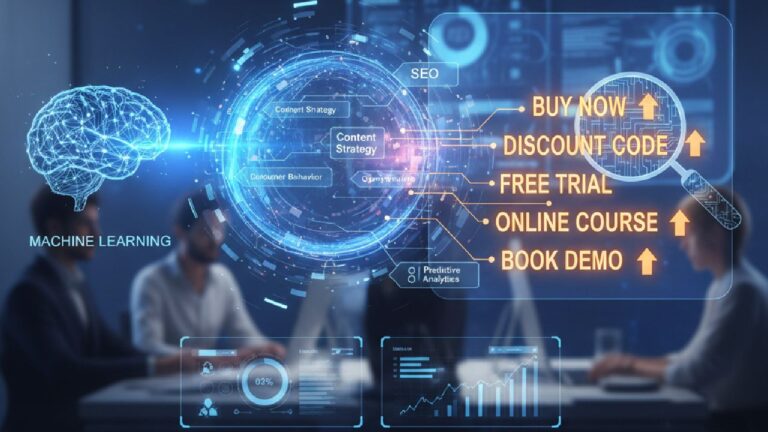
Using machine learning algorithms and predictive analytics, AI enables marketers to personalize:
- Website content and landing pages
- Email marketing campaigns
- Product recommendations
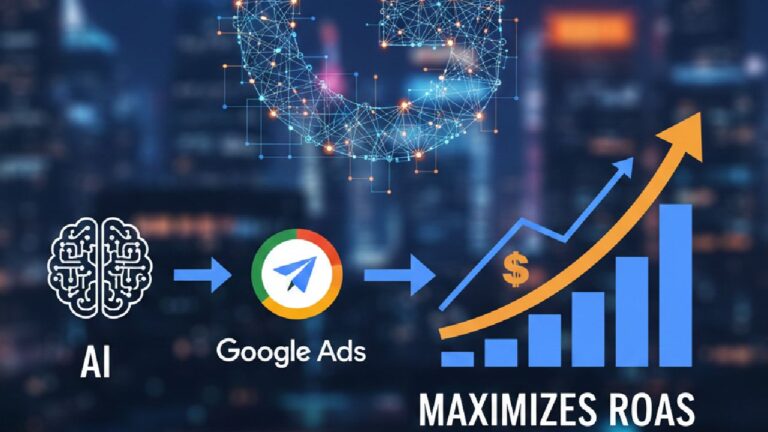
- Paid advertising creatives
- Customer support interactions
How AI Enables Scalable Personalization
1. Advanced Data Analysis and Customer Insights
AI tools analyze large volumes of structured and unstructured data, including browsing behavior, purchase history, demographics, and engagement patterns. This enables marketers to build accurate customer profiles and understand intent at every stage of the buyer journey.
SEO keyword focus: AI data analytics, customer behavior analysis, AI in marketing
2. Real-Time Personalization Across Channels
AI allows brands to deliver real-time personalization across websites, mobile apps, email, and social media. For example, AI-powered recommendation engines dynamically adjust product suggestions based on user actions, increasing relevance and purchase likelihood.
This omnichannel approach ensures a consistent and seamless customer experience.
3. Predictive Analytics for Smarter Decision-Making
Predictive analytics uses historical data and AI models to forecast future customer actions. Marketers can anticipate:
- Which users are likely to convert
- When customers are most likely to engage
- Which offers will generate the highest ROI
By acting on these insights, brands can deliver high-impact, personalized campaigns that convert.
4. AI-Driven Content Personalization
AI content engines tailor messaging based on user preferences, location, device type, and past interactions. This includes:
- Personalized email subject lines and copy
- Dynamic website headlines and CTAs
- Customized ad creatives
Personalized content not only improves engagement but also strengthens brand trust and loyalty.
SEO keyword focus: AI content personalization, personalized marketing content, AI-generated content
Benefits of AI-Powered Personalization
Implementing AI for personalization at scale offers measurable business advantages:
- Higher conversion rates through relevant messaging
- Improved customer retention and lifetime value
- Enhanced user experience across all touchpoints
- Increased marketing efficiency through automation
- Data-driven optimization of campaigns
Best Practices for Implementing AI Personalization
To maximize results, businesses should follow these best practices:
- Ensure data quality and compliance with privacy regulations
- Start with clear personalization goals, such as lead generation or retention
- Integrate AI tools with existing CRM and marketing platforms
- Continuously test and optimize personalization strategies
- Balance automation with human creativity for authentic brand communication
The Future of Personalized Customer Experiences
As AI technology continues to evolve, personalization will become even more predictive, contextual, and conversational. Brands that invest early in AI-driven customer experience strategies will gain a sustainable competitive advantage by delivering meaningful interactions at scale.
Conclusion
Personalization at scale is no longer optional—it is a critical component of modern digital marketing success. By leveraging AI-powered tools, data analytics, and predictive insights, businesses can create highly personalized customer experiences that drive engagement, loyalty, and conversions.
Adopting AI for personalization enables marketers to move beyond generic campaigns and deliver value-driven experiences that truly resonate with their audience.